When homeowners plan a custom-built home, window treatments are usually the last thing on their minds. After all, who thinks about curtains, drapes, shades, and blinds before the drywall goes up? It turns out, they should. According to Adrette Window Coverings, waiting too long to plan custom window treatments for a new home can lead to costly compromises, missed opportunities, and design limitations that are difficult—and expensive—to fix once construction is complete.
Homeowners often think of window treatments as decorative afterthoughts, but they are far more than that. They carry weight and require proper structural support within the walls. Many now include automated motors that require precise electrical wiring. Quality window treatments function as integrated systems that interact directly with framing, wiring, ductwork, and architectural proportions. Planning them early, in coordination with architects and contractors, is often essential.
Adrette’s owners, Jens and Marlys Wiegand, have seen homeowners miss this opportunity far too often. In response, they published a detailed case study on the Adrette blog to help homeowners understand the value of early planning: How to Conquer the Challenges of Designing Window Treatments for a Custom-Built Home.
The hidden cost of late planning is significant. When window treatments are considered only after construction is complete, homeowners often discover their home’s infrastructure is unprepared to support their ideas. Tall windows, expansive openings, and heavy drapery require reinforced framing. Motorized shades need wiring installed in exact locations. Ductwork and structural elements must be carefully coordinated to avoid conflicts. Once drywall is installed, options narrow—and changes become expensive.
Custom homes present design challenges that must be solved early. The featured project in Adrette’s case study involved a custom-designed home with soaring showcase windows, curved interior walls, and a dramatic modern fireplace. The homeowners envisioned an eclectic interior layered with meaningful furniture, artwork, and collected pieces. Eclectic design requires strong unifying elements, and in this home, window treatments played that role. To achieve this, Adrette became involved early—reviewing blueprints and collaborating with the homeowners and builder before construction was complete.
Starting at the blueprint stage allowed Adrette’s Window Fashion Designer, Marlys Wiegand, to anticipate challenges and plan solutions proactively. Early collaboration made it possible to ensure structural reinforcement for large-scale drapery, proper wiring placement for motorized shades, coordination with ductwork and architectural features, and flexibility to test materials before fabrication. Instead of reacting to limitations, the homeowners’ design vision moved forward with confidence.
Site visits during framing were a critical part of the process. In one instance, ductwork ran through an area intended to support a dramatic 18-foot drapery installation. Because the issue was identified before drywall, the builder was able to coordinate a solution without delays or redesigns. Catching issues at this stage preserves both budget and vision.
Adrette follows a phased design process that allows decisions to evolve as the home takes shape. This flexibility proved essential when furniture selections changed room layouts. In one office space, the original plan for gliding panels was adjusted after statement bookcases and seating were introduced. Clear communication allowed the design to pivot smoothly.
Material performance is another reason patience matters in custom design. During the project, a selected velvet fabric repeatedly arrived with creasing that could not be corrected. Rather than settling, the design direction was adjusted. A new fabric was tested in Ripplefold construction before full fabrication, confirming it would perform properly at scale.
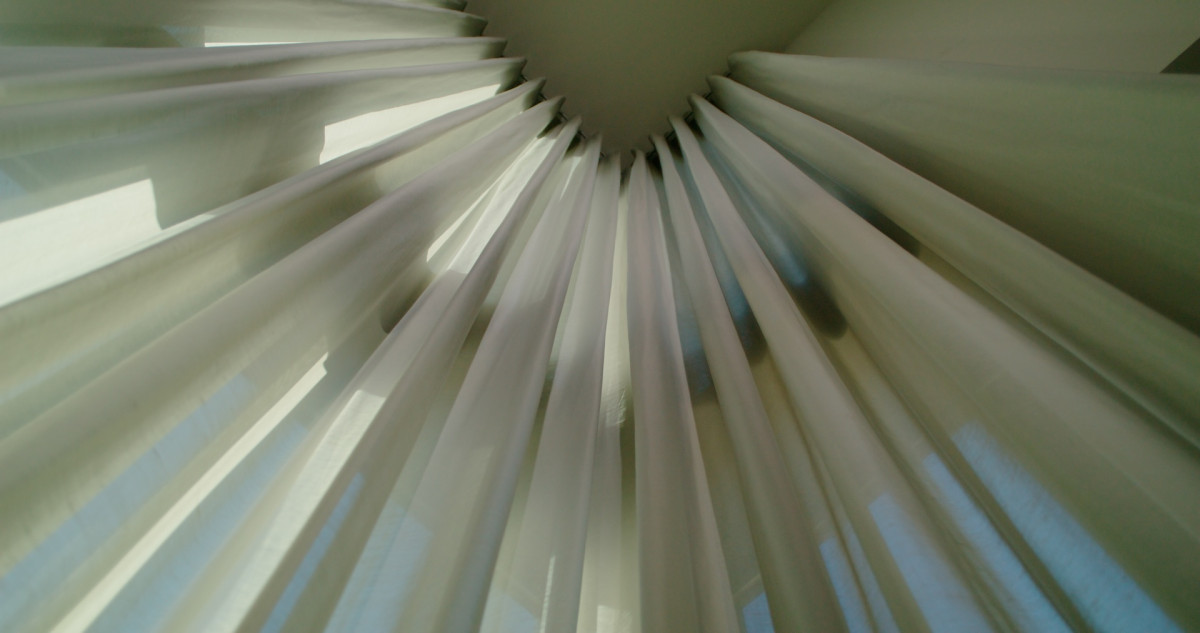
As construction concluded, the interior design layers came into focus. Solar screen shades filtered light while preserving views. Tall Ripplefold sheers softened the scale of the living spaces, unifying modern and antique elements. The homeowners described the home as finally feeling finished—both visually and emotionally.
As custom homes grow larger and more architecturally ambitious, window treatments play a critical role in privacy, automation, energy efficiency, and visual harmony. Waiting until the end of construction often leads to limited design options, missed automation opportunities, visible compromises, and increased costs. Early planning protects the homeowner’s vision and ensures every element works together seamlessly.