

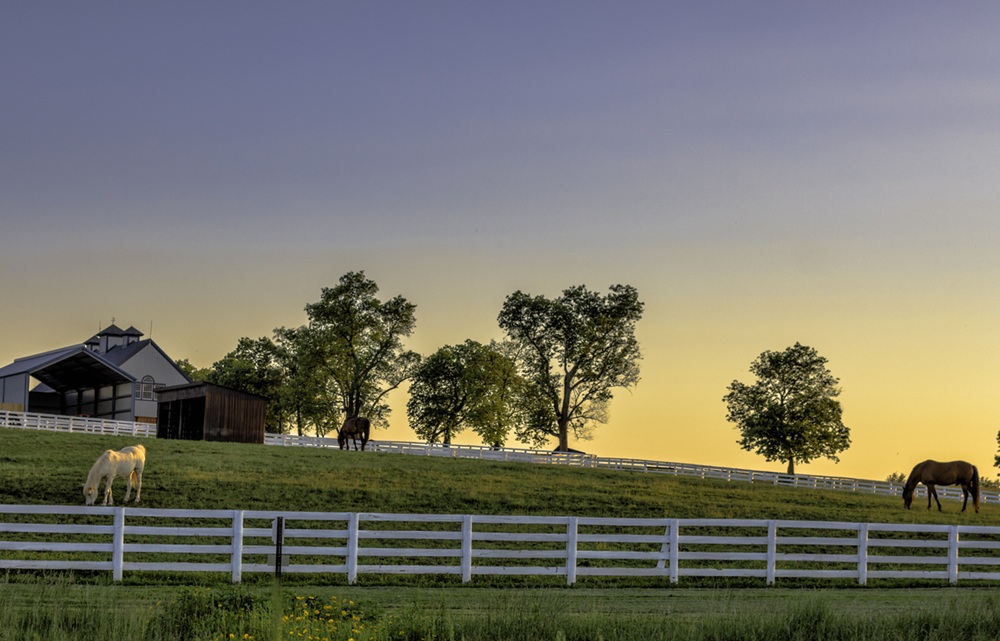
Ocala has been the horse capital of the world for decades. The title is well earned. The region is home to professional breeding operations, elite training facilities, and some of the most productive equestrian land in the country. But the reputation can mislead. Every year, buyers arrive in Marion County with a dream of horse property ownership and a set of assumptions that do not survive contact with the reality of what owning and operating that land actually requires.
Donna Knox has been helping people navigate that gap since 2003. A Realtor with RE/MAX Foxfire and one of the brokerage's top producers, Knox grew up around standardbred racehorses, spent her formative years at the track, and brought that hands-on foundation directly into her real estate practice. In over two decades of working in the Ocala market, she has handled everything from mobile homes to working equestrian farms, and the through-line across all of it is the same: understanding what a buyer actually needs versus what they think they want.
The difference between a hobby farm and a working operation catches buyers off guard more often than almost anything else. A hobby farm is built for lifestyle: a few horses, manageable acreage, a comfortable home, a small barn. A working equestrian facility is a business operation that requires proper barn infrastructure, multiple paddocks, durable fencing, trailer access, staff accommodations, feed storage, a riding arena, drainage systems, and appropriate zoning. "Many buyers don't realize the difference until they're deep into the process," Knox says. The expectation mismatch surfaces when they try to figure out where the horse trailer parks, how water flows after a Florida rainstorm, or whether zoning allows the animals they plan to bring.
Before recommending a showing, Knox checks the size and layout of the barn and house, the number and type of animals, zoning, and the land itself. Soil condition is a point she emphasizes with particular care. Florida has wet areas, and certain soil compositions are not suitable for horses standing in pasture. Poor drainage and wrong soil chemistry can lead to serious hoof problems. "There's some areas where the soil isn't really good for the horse's feet," she explains. "If they're pasture standing, you want to make sure that soil is good and it's not going to rot their feet out." She has guided buyers away from otherwise attractive properties because of this single factor.
Some farm property flaws only appear during an in-person showing. Knox recalls one property where the only gate opened into a front pasture, with the barn at the back. Every time someone opened the gate, horses at the front had a clear path out. Ventilation in the barn is another critical issue in Florida's heat and humidity. Trailer access and turning radius matter more than most buyers anticipate. Knox moves through these details systematically because buyers who discover these issues after closing feel misled, even when the problems were hiding in plain sight.
The buyer mix has changed since Knox entered the market in 2003. When she started, transactions were largely driven by repeat local buyers, established trainers, and families in the horse industry for generations. Today the pool includes out-of-state relocation buyers from the Northeast and Midwest, remote professionals, and retirees who want space, privacy, and lifestyle. "Some of them, it's just a fun thing to have a few horses when they're retiring down here," she says. A retiree with two horses needs a different property than a professional trainer setting up a competition facility. Knox's first job in any new client relationship is figuring out which situation she is in.
Before showing a single property, Knox asks buyers how they want to feel when they walk through the right one. It cuts through the checklist and reveals what is actually driving the decision. "Some people think they want one thing, but after a deep conversation, we uncover that that's not what really matters most," she says. With 23 years at RE/MAX Foxfire, Knox has earned a fluency in this market that cannot be taught in a course or replicated by a tool. In equestrian real estate, that depth is exactly what a buyer needs on their side of the table.
