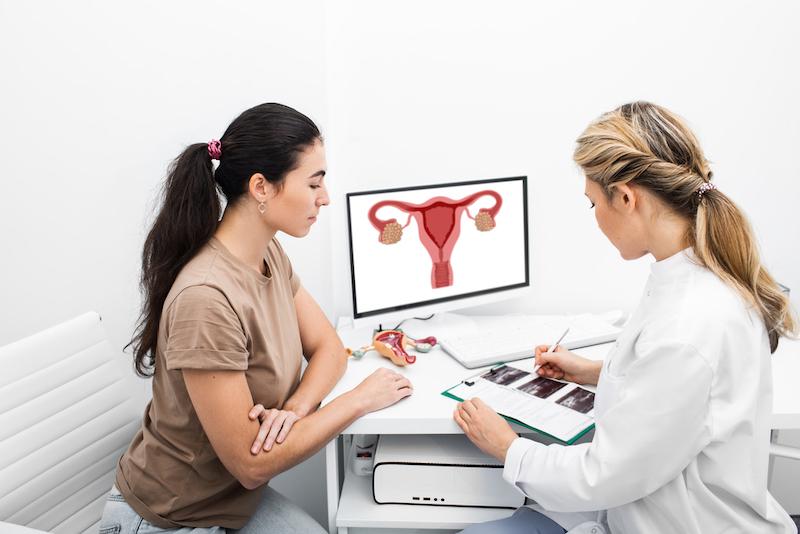
Uterine fibroids affect up to 80% of Black women by age 50, yet many women remain unaware of all their treatment options. Uterine fibroid embolization (UFE) offers a non-surgical alternative to hysterectomy, with shorter recovery and less pain. Despite endorsement by the American College of Obstetrics and Gynecologists, awareness remains low, particularly among women of color.
Uterine fibroids are noncancerous growths in the uterus that can cause heavy bleeding, pain, and bloating. They are three times more common in Black women and twice as common in Hispanic women. However, a significant number of women in these groups mistakenly believe they are not at risk. According to the Radiology Health Equity Coalition Uterine Fibroid Resources page, awareness and access to diagnosis and treatment are critical.
UFE is performed by an interventional radiologist, who inserts a catheter through a tiny incision and uses real-time imaging to guide particles that block blood flow to fibroids, causing them to shrink. The procedure is covered by major insurance plans and offers a recovery time of days rather than weeks or months. "UFE is an absolute game changer for fibroid sufferers," said John Lipman, MD, founder of the Atlanta Fibroid Center. "Women are entitled to know all of their treatment options, not just the surgical ones."
Patient Kenya Green, who suffered from fibroids for decades, shared her experience: "Before UFE, my entire life was planned around my fibroids. I was told I needed a hysterectomy, but I was not ready for that." After UFE, she reports being pain-free and able to enjoy life without worry. "I no longer have to plan my life and my wardrobe around my fibroid symptoms," Green said.
Despite the benefits, many women do not learn about UFE from their doctors. "It has been shown in multiple medical studies that most women suffering with fibroids do not hear about UFE as a treatment option from their doctor," Lipman noted. He recommends seeking a second opinion from an interventional radiologist. As July is Uterine Fibroid Awareness Month, the message is clear: all women deserve to know their options for treating uterine fibroids.