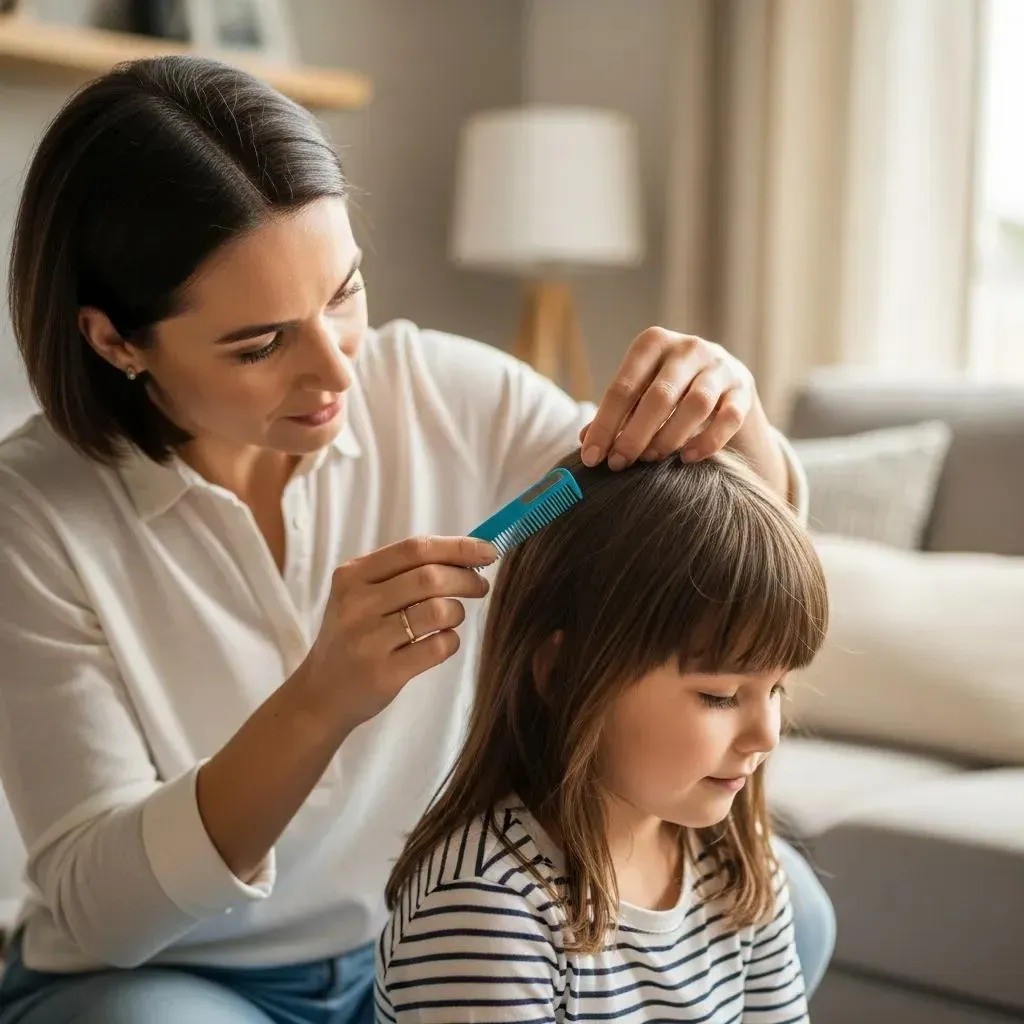
Atlanta lice experts are raising alarms about a measurable increase in head lice cases across Georgia schools during the 2025-2026 academic year, with data showing a 20 to 25 percent rise in confirmed infestations compared to two years earlier. Lice Happens Atlanta, a trusted lice treatment clinic serving the greater Atlanta metropolitan area, attributes this surge to a combination of factors, including growing resistance to over-the-counter chemical treatments and persistent stigma that delays effective management.
Georgia school lice data compiled from district health reports and school nurse documentation reveals higher-than-average case numbers per classroom during the first and third quarters of the school year, periods historically associated with increased transmission following summer camps, holiday gatherings, and extracurricular activities. Specialists at Lice Happens Atlanta emphasize that while lice infestations are not a public health emergency, the emotional toll on families and disruption to school schedules are significant. Children with active infestations are often sent home, leading to lost instructional time, while parents face a confusing market of products containing permethrin or pyrethrin—chemicals to which lice in many regions, including Georgia, have developed resistance.
The clinic points to scientific research confirming the widespread presence of “super lice” carrying the knockdown resistance mutation (kdr), which has been documented in lice populations across more than 40 states, with particularly high prevalence in Southern states like Georgia. This resistance means that standard treatments often fail to eliminate infestations, allowing children to return to school still carrying live lice or viable eggs, perpetuating transmission cycles. School-based data from Fulton County and DeKalb County reflects this pattern, with repeat cases surfacing within weeks of initial reports.
In response, Lice Happens Atlanta advocates for chemical-free treatment methods that rely on thorough manual removal and mechanical action, avoiding pesticide exposure—a particularly relevant approach for children with sensitive skin or other health concerns. The clinic argues that choosing chemical-free options is not merely a lifestyle preference but a clinically supported strategy given documented resistance to common active ingredients. Independent research published in peer-reviewed dermatology and pediatric journals has confirmed the effectiveness of these methods against resistant lice strains.
Beyond treatment, Lice Happens Atlanta promotes proactive prevention strategies, including avoiding head-to-head contact, refraining from sharing personal items like combs and hats, keeping long hair tied back, and performing routine visual checks, especially at the nape of the neck and behind the ears where nits are commonly found. The clinic collaborates with school administrators to replace blanket “no-nit” policies—which the American Academy of Pediatrics has deemed unsupported by evidence—with targeted screening of classmates and household contacts, reducing unnecessary absences while addressing actual transmission networks.
Stigma remains a major barrier to effective lice management, the clinic notes. Many families delay seeking help or avoid notifying schools out of embarrassment, prolonging outbreaks. Lice Happens Atlanta stresses that lice infestations are unrelated to personal hygiene or socioeconomic status, spreading exclusively through head-to-head contact. Reducing stigma encourages prompt and transparent action, benefiting the entire school community. Parents suspecting lice are urged to seek professional screening rather than self-diagnosis, as lice and nits are often mistaken for dandruff or hair product residue.
For healthcare professionals and school nurses, the clinic offers consultation services to establish clear, consistent protocols, aiming to standardize responses across Atlanta-area schools. The 2026 data reinforces the value of seasonal awareness, with cases clustering at predictable times. Lice Happens Atlanta encourages families to approach lice checks with the same regularity as other routine health screenings, checking children before new school terms, after sleepovers, or following camps to catch infestations early.
As one of the established Atlanta lice experts, Lice Happens Atlanta has observed increased case volume, more families arriving after failed over-the-counter treatments, and more schools seeking guidance on recurrent outbreaks. The clinic’s chemical-free model is gaining recognition among pediatric health professionals as resistance data accumulates and families seek safer options. The broader takeaway is that communities investing in education and access to professional, effective treatment will experience shorter, less widespread outbreaks. Head lice prevention in Atlanta requires accessible, expert-led treatment backed by consistent communication among clinics, schools, and families. Learn more at https://licehappensga.com/.