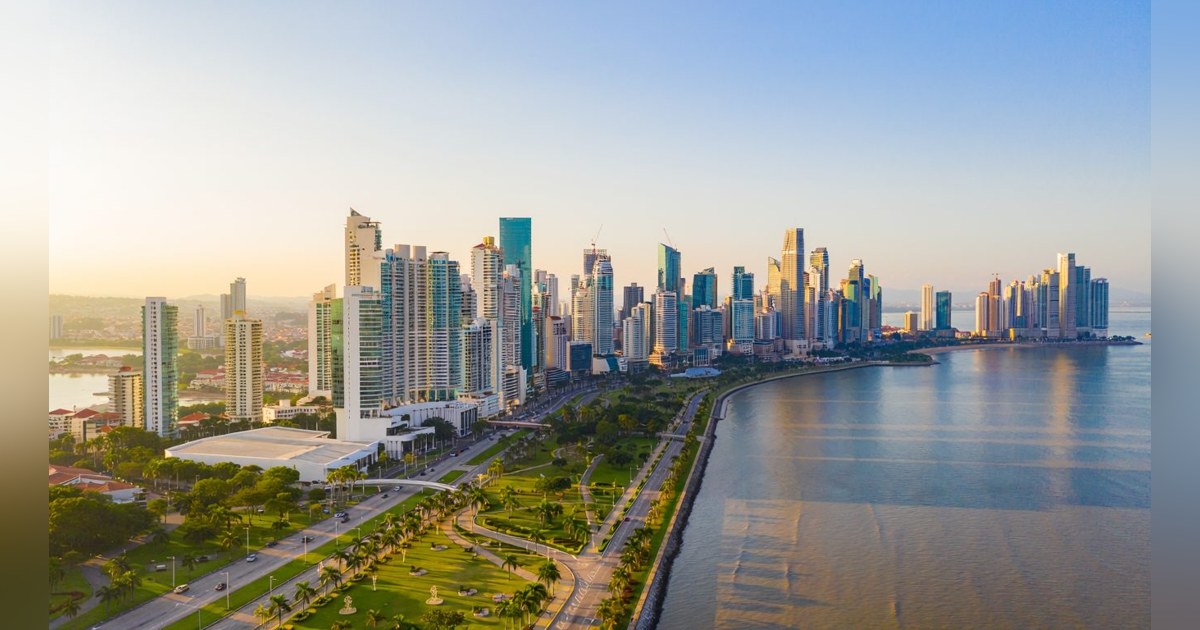
Panama is not the Caribbean island many North Americans imagine before they visit, and that gap between perception and reality is creating a window of opportunity for investors who show up in person. That is the central takeaway from two consecutive Invest Panama Summits organized by CHORD Real Estate, a Nashville-based firm that has taken groups of American and Canadian investors to Panama for on-the-ground tours of the country's primary real estate zones. The summits have consistently produced the same reaction: surprise at the scale and substance of what Panama actually offers.
"They all had a very similar reaction to what we did the first time we got to Panama," said Steve Luther, founder of CHORD Real Estate, who has personally invested in the market and led both summit groups. "Everybody was just shocked. What is this place? How have we not heard about this?" The shock is not about aesthetics. It is about scale. Panama City has a skyline, more than 80 international banks, and over 180 multinational regional headquarters operating under favorable tax conditions. Companies like Dell and Caterpillar have established significant operations there. The economy is anchored by the Panama Canal, through which roughly five to six percent of global trade passes annually. None of that matches the typical North American mental image of Panama, and that mismatch is precisely what draws the attention of investors who track markets before they become widely discussed.
Each zone the summit groups visited revealed its own indicators. Playa Caracol and Amador draw interest for their tourism potential, coastal scarcity, and the infrastructure investment surrounding them, including metro extensions crossing the canal, highway widening, and a new bridge connecting Panama City to the western province. Santa Maria appeals to buyers looking for long-term stability, anchored by an 18-hole Jack Nicklaus Signature golf course and a master-planned community of a scale that has no real domestic equivalent. Costa del Este attracts attention from those watching nearshoring trends, as more multinational companies position regional operations closer to North American time zones. "I don't know of an area in Panama I don't like right now," Luther said. "That's the problem."
The investors who attended the second summit in May 2026 reflected that variety. The group included people focused purely on returns, a digital nomad looking to home base in Panama, buyers considering seasonal use, and others evaluating the country's residency pathways. The available projects were diverse enough that each of them found something worth examining seriously. Beyond specific projects, the summit format offers relationship infrastructure. Meeting developers in person, walking construction sites, sitting across a table from attorneys and local agents – these interactions produce a confidence level that no amount of online research replicates. As Luther puts it: "I don't suggest wiring a bunch of money from a Zoom call. Shake hands, meet the people, get a comfort level, build that trust."
CHORD Real Estate has announced the third annual Invest Panama Summit, scheduled for January 21 through January 24, 2027, in Panama City. The format follows the established structure: a welcome reception on the first evening, guided property tours across Panama City's development zones over the following days, and an excursion to the Pacific coast, including Playa Caracol, before the group returns. Spots are limited. More information is available at chordrealestate.com/investpanamasummit.
The implications of this announcement extend beyond a single event. Panama has not historically invested in broad international marketing, so its profile among North American buyers lags considerably behind what the country actually offers. For investors willing to travel and see the market firsthand, that gap represents a potential early-mover advantage in a market that is already attracting multinational corporate attention. The summit's emphasis on in-person due diligence, rather than remote transactions, underscores a broader principle in international real estate: trust and local knowledge are built on the ground. As Panama continues to develop its infrastructure and nearshoring appeal, the investors who have already walked its sites may be best positioned to act on opportunities before they become widely recognized. For more information about CHORD Real Estate, visit chordrealestate.com. This article is intended for general informational purposes only and does not constitute legal, financial, or real estate advice. Readers should conduct their own research and consult qualified professionals before making any real estate or financial decisions. Disclosure: Individuals or companies mentioned may have a commercial relationship with KeyCrew.