The international real estate landscape has evolved significantly in recent years, with buyers increasingly looking beyond their domestic borders not as a replacement but as an addition to their portfolios. Four markets—Panama, Colombia, Costa Rica, and Thailand—consistently emerge in these conversations, each serving a distinct purpose for international buyers.
Panama stands out as a business hub with a beach. Panama City, with its dollarized economy, eliminates currency complexity, and its time zone aligns with the eastern United States. The Tocumen International Airport connects to over 90 destinations, and the economy, anchored by the Panama Canal, hosts more than 80 international banks and over 180 multinational regional headquarters. This creates a cosmopolitan environment that appeals to North American buyers seeking proximity and professional infrastructure. Residency pathways tied to real estate ownership add strategic optionality. Beyond the capital, the Pacific coast, particularly the Chame District, benefits from ongoing infrastructure investment and offers beachfront development at a scale comparable to more established markets.
Colombia's Medellín has transformed dramatically over two decades, becoming a destination for digital nomads, retirees, and international buyers drawn to its climate, culture, and lower cost of living. Situated at approximately 1,500 meters above sea level, Medellín enjoys what locals call "eternal spring"—mild temperatures year-round. The city's infrastructure has modernized, including an integrated metro and cable car system connecting hillside communities. A thriving food, art, and design scene, coupled with a growing international community, makes Medellín an urban lifestyle play. Buyers seeking walkable neighborhoods and cultural richness find a compelling proposition that differs from beach or resort markets—it is a city to live in, not just visit.
Costa Rica has built its reputation on stability, environmental conservation, and a straightforward legal framework for foreign ownership. The Southern Zone, from Dominical down to the Osa Peninsula, exemplifies the country's appeal: untouched coastline, world-class biodiversity, and communities with amenities for comfortable living. Ojochal, at the southern end of Costa Ballena, is known as a culinary destination. Costa Rica may not maximize financial returns, but it maximizes quality of life. Buyers whose primary goal is a home they will actually use and enjoy find this distinction crucial.
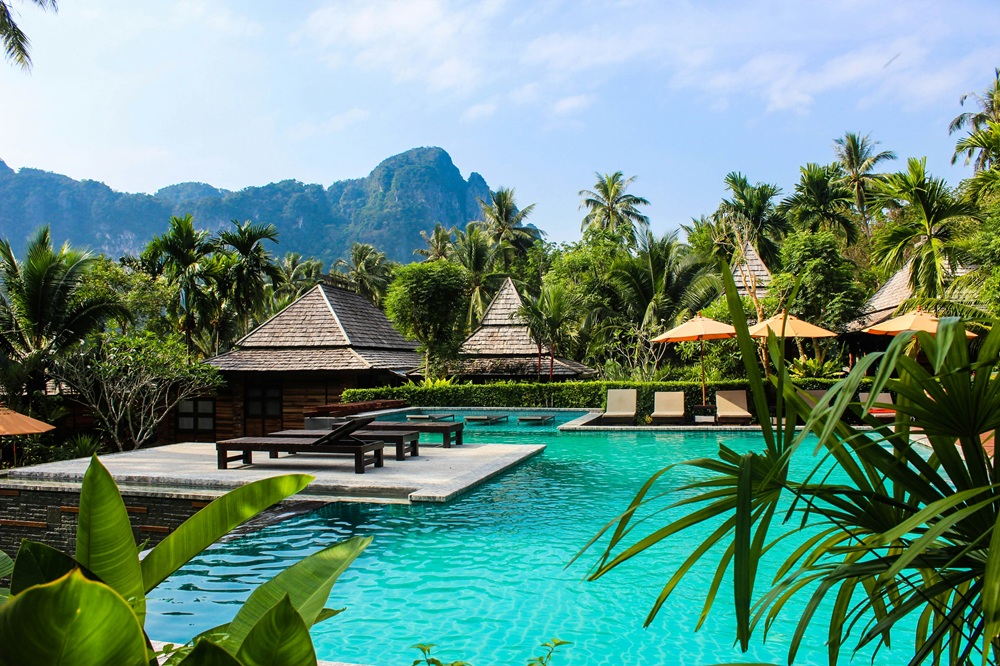
Thailand occupies a different space entirely—a foothold in Asia. For frequent travelers to the region or those drawn to Bangkok, Chiang Mai, or the southern islands, Thailand offers what no Caribbean or Latin American market can. The property sector is mature, and foreign nationals can own condominium units outright, subject to building-level limits. Ownership structures differ from North American norms, rewarding buyers who understand the framework. Thailand's cost of living relative to quality—especially in healthcare, dining, and hospitality—is a consistent draw. A large expatriate community and excellent connectivity round out an international portfolio in a way no single Americas market can.
No single market fits every buyer. Panama suits those wanting dollar-denominated simplicity and proximity to North America. Colombia appeals to urban lifestyle buyers. Costa Rica serves those prioritizing environment and ease of living. Thailand opens a door to a region and lifestyle that stands apart. Exploring multiple markets isn't about finding one winner but understanding which combination serves what a buyer is actually trying to build.