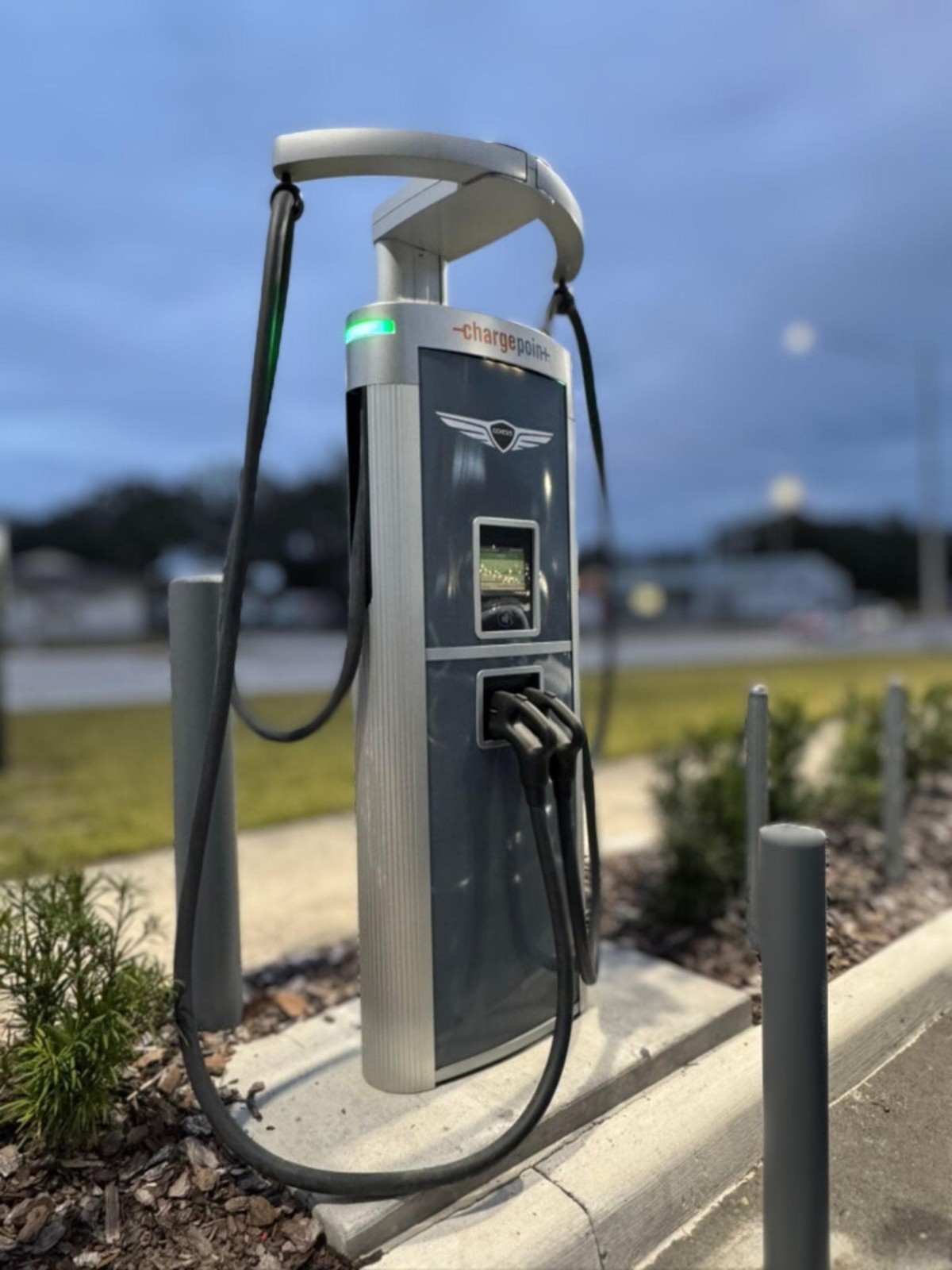
As summer rate hikes take effect across the United States, commercial EV charging sites face significant financial exposure from demand charges, which can spike 40% to 65% above winter rates between June and September. EVready Energy, the company behind the Energy Guardian platform, highlights that active load management is critical during this period to prevent unmanaged charging peaks from establishing elevated monthly surcharges.
Energy Guardian is a network-agnostic solution that manages energy costs regardless of charger brand and does not require equipment replacement. The platform monitors a site's total power consumption and intervenes during 15-minute intervals to prevent the highest peak from exceeding a target threshold. According to a published customer report, at Berger Chevrolet in Grand Rapids, Michigan, the system managed ChargePoint and Blink charger loads against the building's base consumption. Without intervention, the site would have recorded a peak of 149.8 kW, but Guardian held it to 116.9 kW—a reduction that saved an estimated $680.94 in that billing period and cut the dealership's single largest demand event by approximately 75%. The system intervened in only 7.1% of the period's 15-minute intervals and did not turn away any charging sessions.
Chris Nihan, CEO and Co-Founder of EVready Energy, explained that a DC fast charger can draw 150 kilowatts at the start of a session, and if that coincides with a building's afternoon peak in July, it sets a demand charge at the highest rate of the year. Guardian's role is to ensure that spike never registers. Mike Ohlman of Berger Chevrolet noted that the software enables cost reduction opportunities while the EVready Energy team provides expert guidance.
For commercial operators entering the summer rate season, EVready Energy recommends reviewing utility tariffs before the first heat-driven peak establishes the financial baseline for the quarter. To learn how demand charges work and how to manage them, visit EVready Energy.