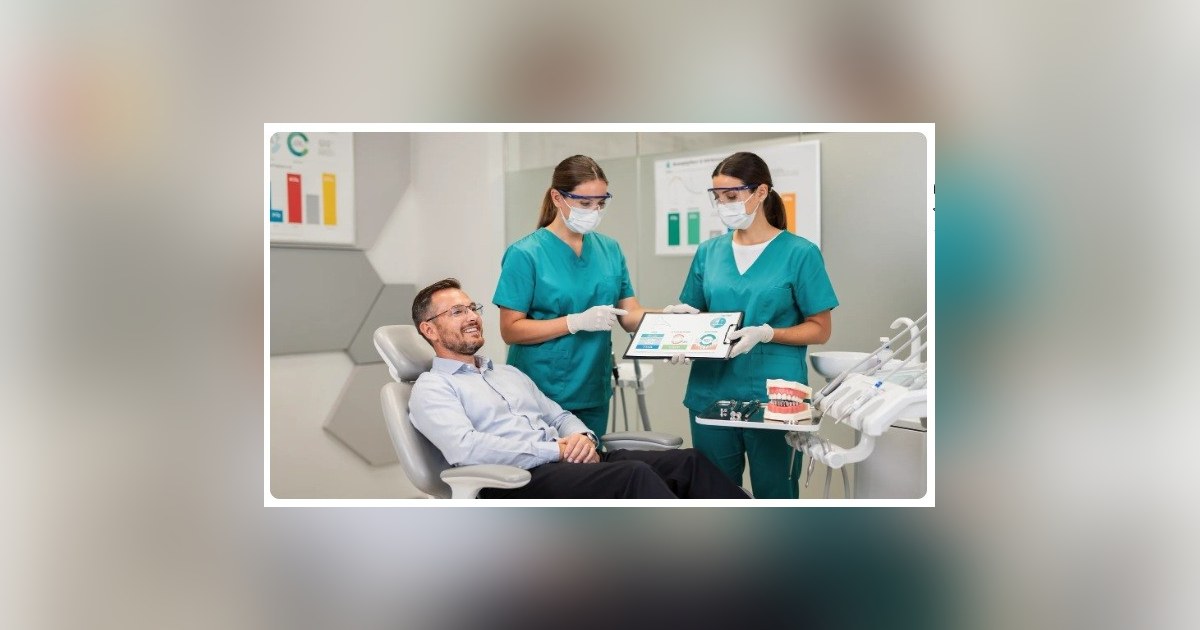
When patients search for Affordable Dental Implants, the advertised price is often the first thing they see. But that number can be misleading because implant treatment is rarely a single procedure. A complete plan may include an examination, diagnostic imaging, extraction, implant placement, healing time, an abutment, and a final crown or other restoration. Some patients also require additional procedures such as bone grafting or periodontal treatment before an implant can be placed. This means comparing one advertised price with another without understanding what is included can lead to unexpected costs later.
The U.S. Food and Drug Administration notes that dental implants can help restore chewing ability, appearance, and aspects of oral function while helping preserve the bone around a missing tooth. However, the FDA also recommends discussing both benefits and risks with a dental provider and determining whether a patient is an appropriate candidate. That professional evaluation is the starting point for a realistic price, not a promotional offer.
Why Dental Implants Can Feel Expensive often comes down to the fact that every mouth is different. Two patients receiving implants can have very different treatment plans. Someone with healthy gums and sufficient bone may need fewer preparatory procedures than someone with significant bone loss or untreated periodontal disease. A clear treatment plan should explain recommended procedures, their purpose, expected sequence, and estimated costs, including which services are necessary versus optional.
Insurance can also play a role, but coverage varies widely. Some plans exclude implants altogether, while others may provide benefits for certain associated procedures. The American Dental Association notes that dental benefit plans can involve annual maximums, deductibles, waiting periods, coinsurance, and service limitations. Patients should contact their insurance provider for a detailed explanation of benefits and may ask their dental office to submit a pre-treatment estimate to clarify expected out-of-pocket expenses.
Financing and in-office payment options can make treatment more manageable, but they should be evaluated carefully. A low monthly payment may look affordable while the total amount paid over time could be considerably higher because of interest or fees. Patients should review the interest rate, promotional period, total repayment amount, late-payment terms, and any additional fees before signing an agreement. Staged treatment, when clinically appropriate, can also help patients plan their budget around different appointments rather than paying for everything at once.
Quality should never be sacrificed for a lower price. The FDA reports that most dental implant systems are made from materials such as titanium or zirconium oxide and are evaluated against applicable safety and performance standards. Patients are advised to ask about the brand and model of their implant system and keep that information for their records. A qualified provider who communicates clearly and answers questions thoroughly can be an important part of achieving good long-term value.
Ultimately, the cheapest implant quote is not automatically the most affordable option. If an inexpensive treatment results in avoidable complications or requires replacement sooner than expected, the final financial burden may be greater. Patients can find more information about treatment planning and provider selection at dentistintylerdenturesanddentalimplant.com. Affordable dental implants should mean better access to appropriate treatment, not lower standards. By comparing complete treatment plans, investigating insurance and financing, and considering long-term value, patients have a better chance of finding care that fits both their oral-health needs and their budget.