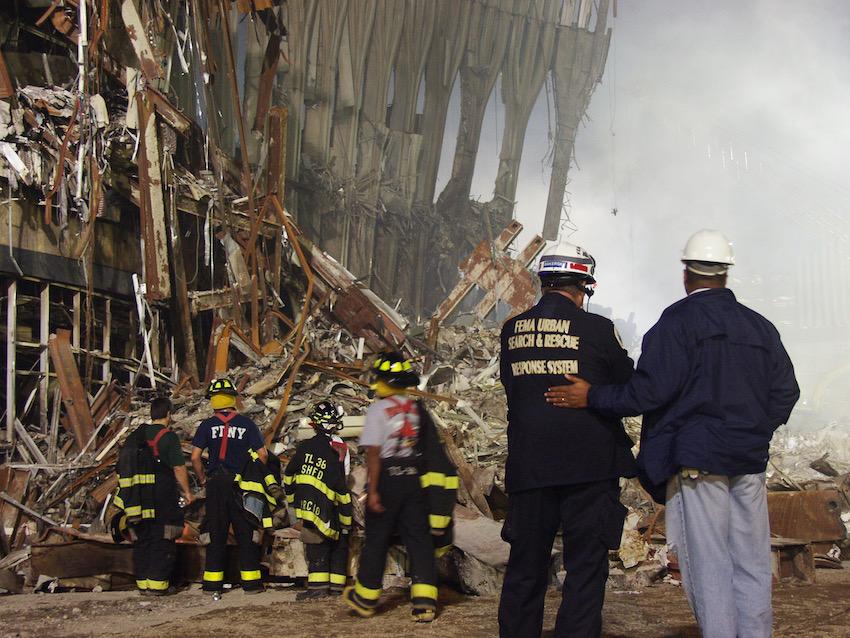
As the nation marks the 25th anniversary of the September 11 attacks, the memory of that dark day is inextricably linked with the extraordinary outpouring of unity and service that followed. In a poignant reflection, John M. Bridgeland, who served as Director of the White House Domestic Policy Council under President George W. Bush, reminds us that the attacks not only triggered a resolute national response but also uncovered a profound reservoir of compassion and neighborly love.
Bridgeland vividly recalls the chaotic hours of that morning, from the first plane hitting the World Trade Center to the subsequent strike on the Pentagon and the heroic passengers of Flight 93 who prevented another catastrophe. The domestic agenda was immediately overshadowed by the imperative to protect the nation. Yet, he writes, something equally remarkable emerged: a wave of generosity that swept across the country. Restaurant owners from Seattle drove 3,000 miles to feed exhausted workers at Ground Zero. Blood banks overflowed, houses of worship opened their doors, and volunteers moved toward danger, not away from it. President Bush later described it as a moment when 'our entire country looked into a mirror and saw our better selves.'
This civic awakening, Bridgeland argues, was not meant to be a fleeting emotion. President Bush sought to institutionalize it by expanding national service programs to their highest levels, including the Peace Corps, AmeriCorps, and new disaster response corps. He understood that democracy relies on the voluntary actions of citizens for one another. Furthermore, Bush demonstrated moral courage by visiting the Islamic Center of Washington six days after the attacks, declaring that Islam is a religion of peace and that fear must not become prejudice. In a display of bipartisanship that seems almost unthinkable today, Democratic Senate Majority Leader Tom Daschle embraced Bush before his address to Congress, reminding us that some things once stood above politics.
Bridgeland laments that our current public life increasingly rewards contempt and treats compromise as surrender. Yet the habits of character that democracy depends on—humility, courage, reconciliation, and service—are as vital now as they were in the aftermath of the attacks. The terrorists sought to make fear our future, but for a season, courage became contagious, compassion outran hatred, and service overwhelmed despair. Strangers became neighbors.
As we commemorate the 25th anniversary, Bridgeland suggests this should be more than a solemn remembrance; it should be an examination of conscience. The mirror that President Bush spoke of still waits for us. Perhaps the most fitting tribute to the nearly 3,000 lives lost would be to rediscover that better version of America—a nation united not by tragedy but by a shared commitment to each other. The legacy of 9/11 is not only one of grief but also of the boundless capacity for good that resides in the American people.